04 — Additive
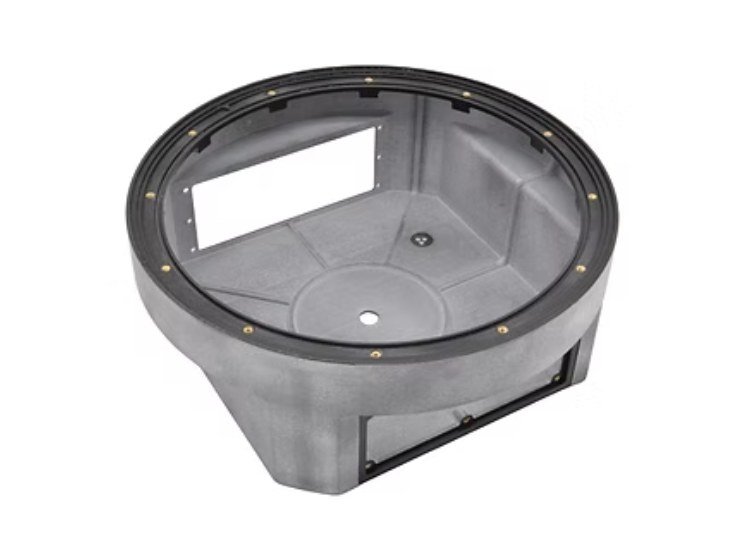
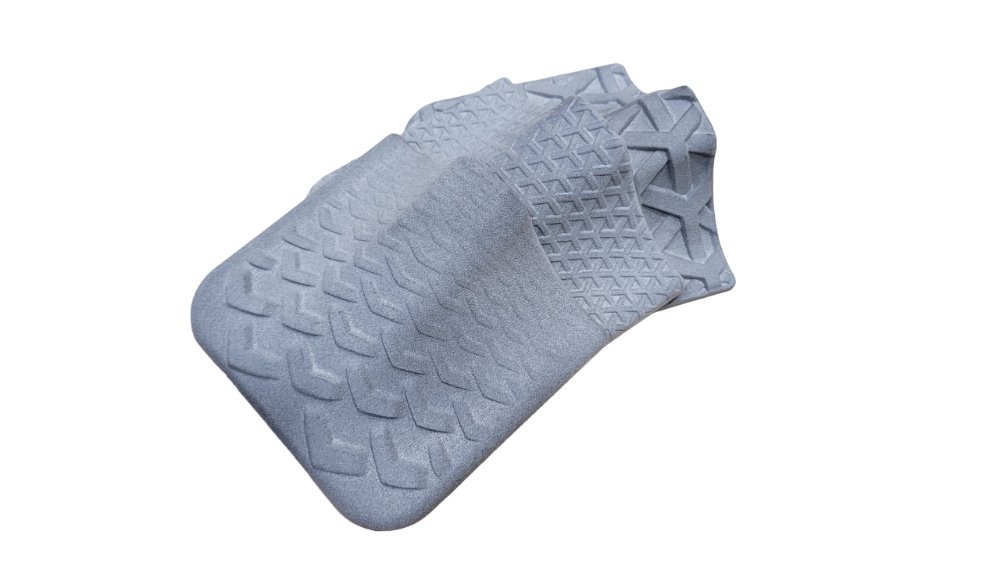
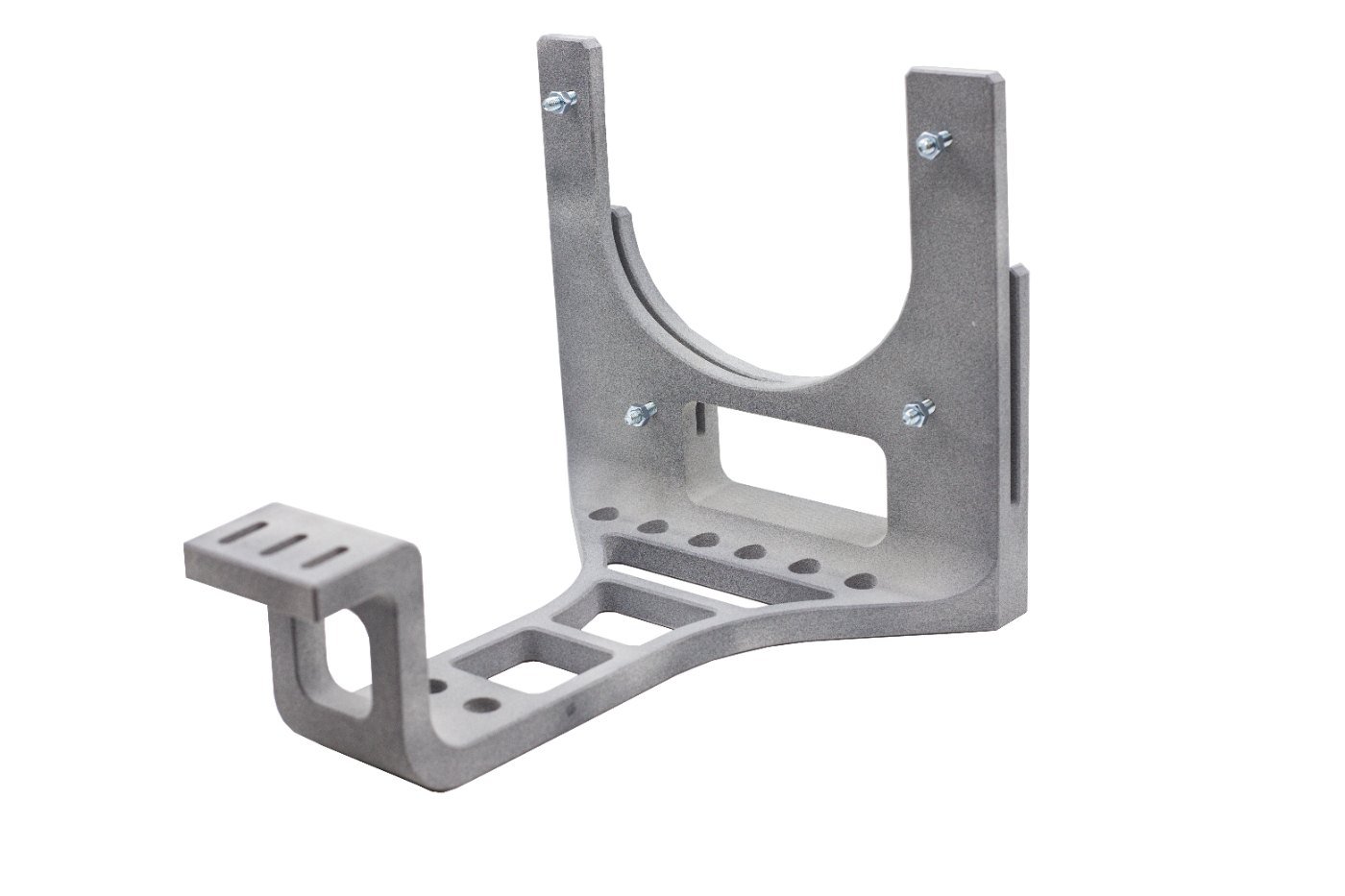
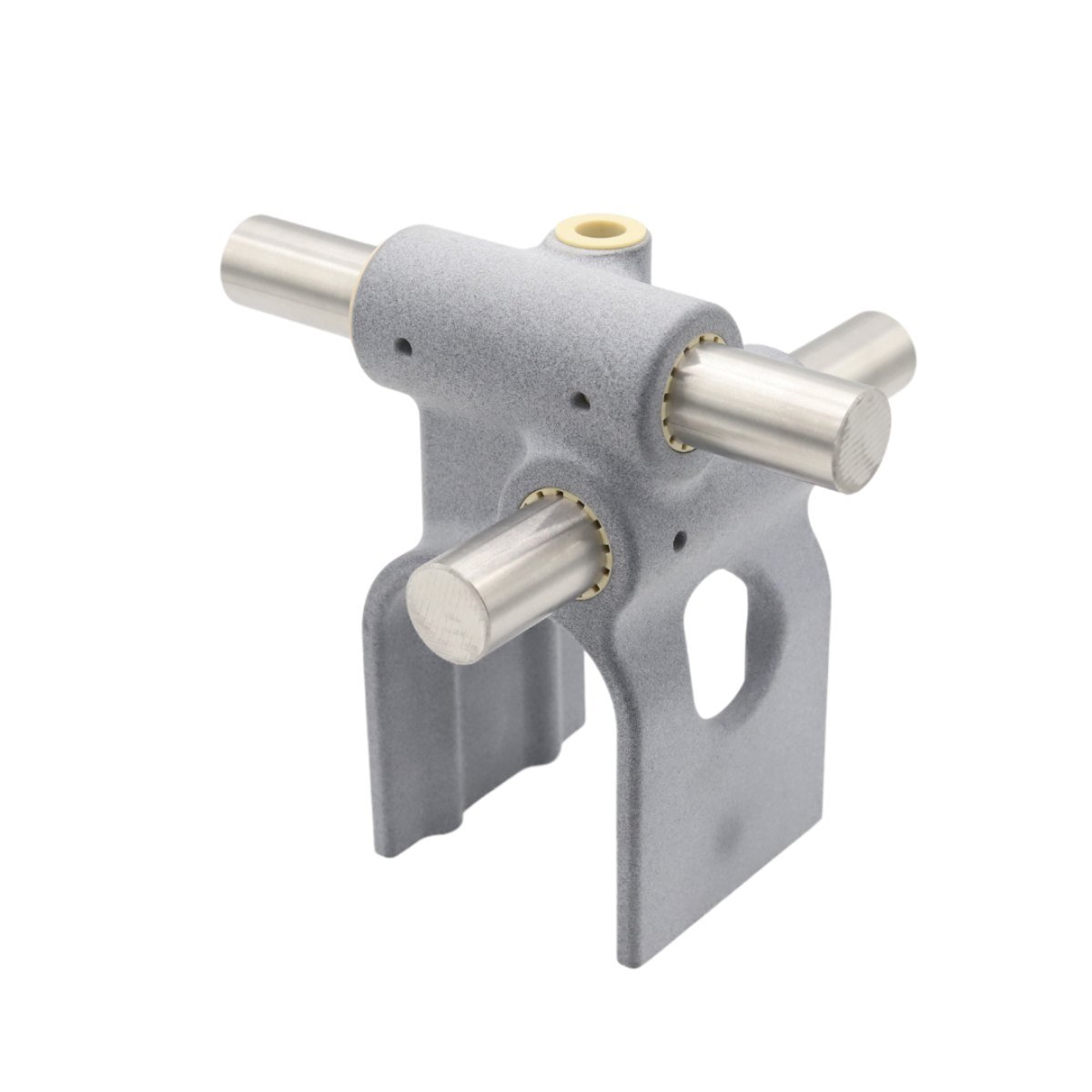
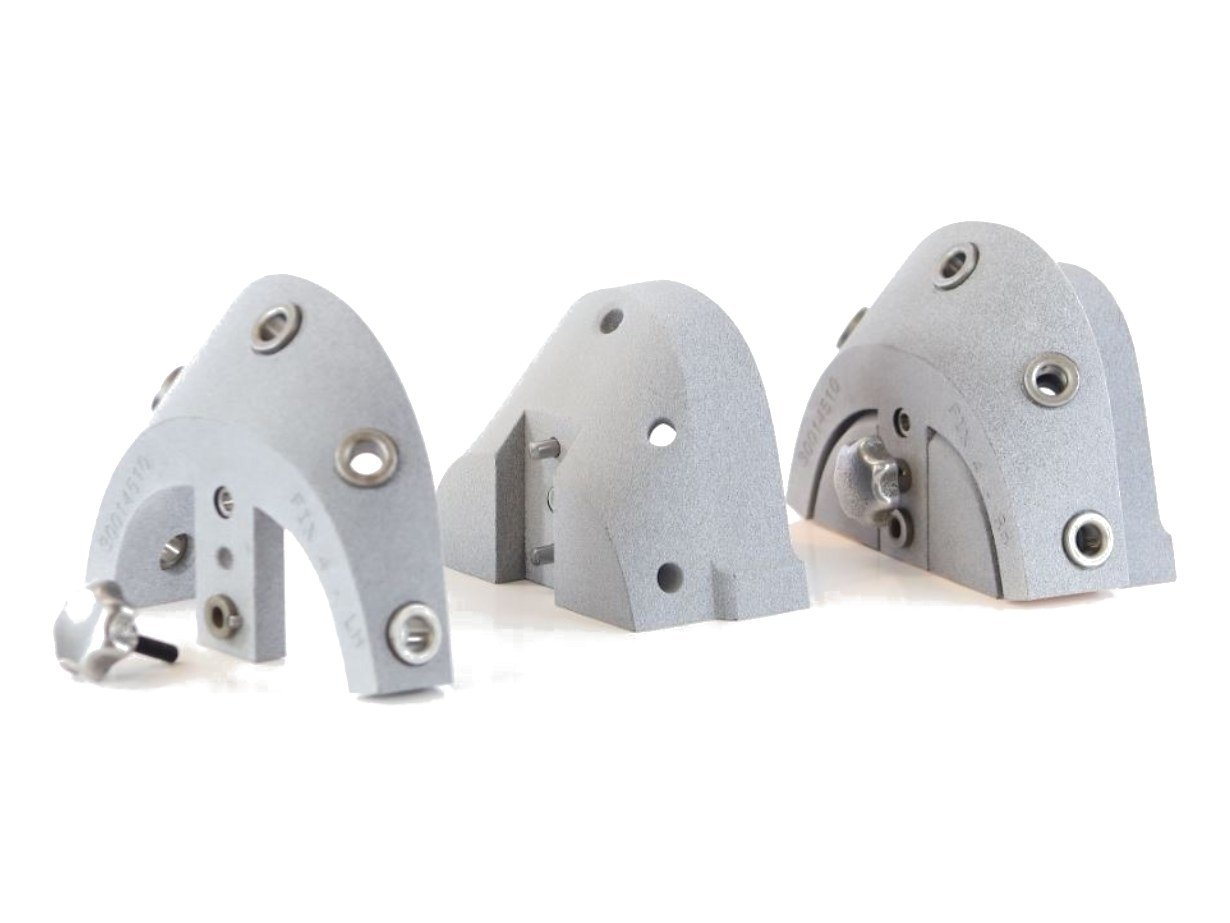
Additive manufacturing with HP Multi Jet Fusion, FDM and SLA for prototypes, functional parts and series parts. We print and finish in-house and deliver ready to install. As part of our fixture systems or as a stand-alone service.
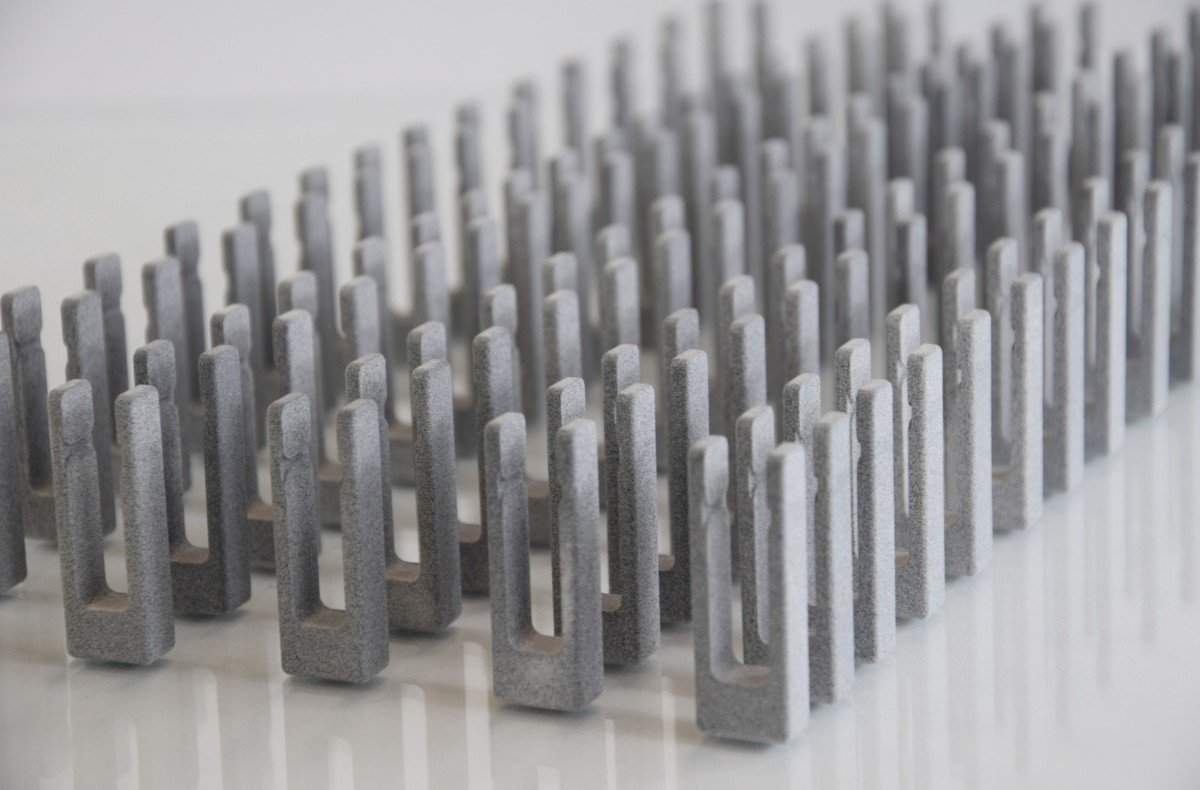
· Processes
Selected by part, material and quantity. All machines in-house.
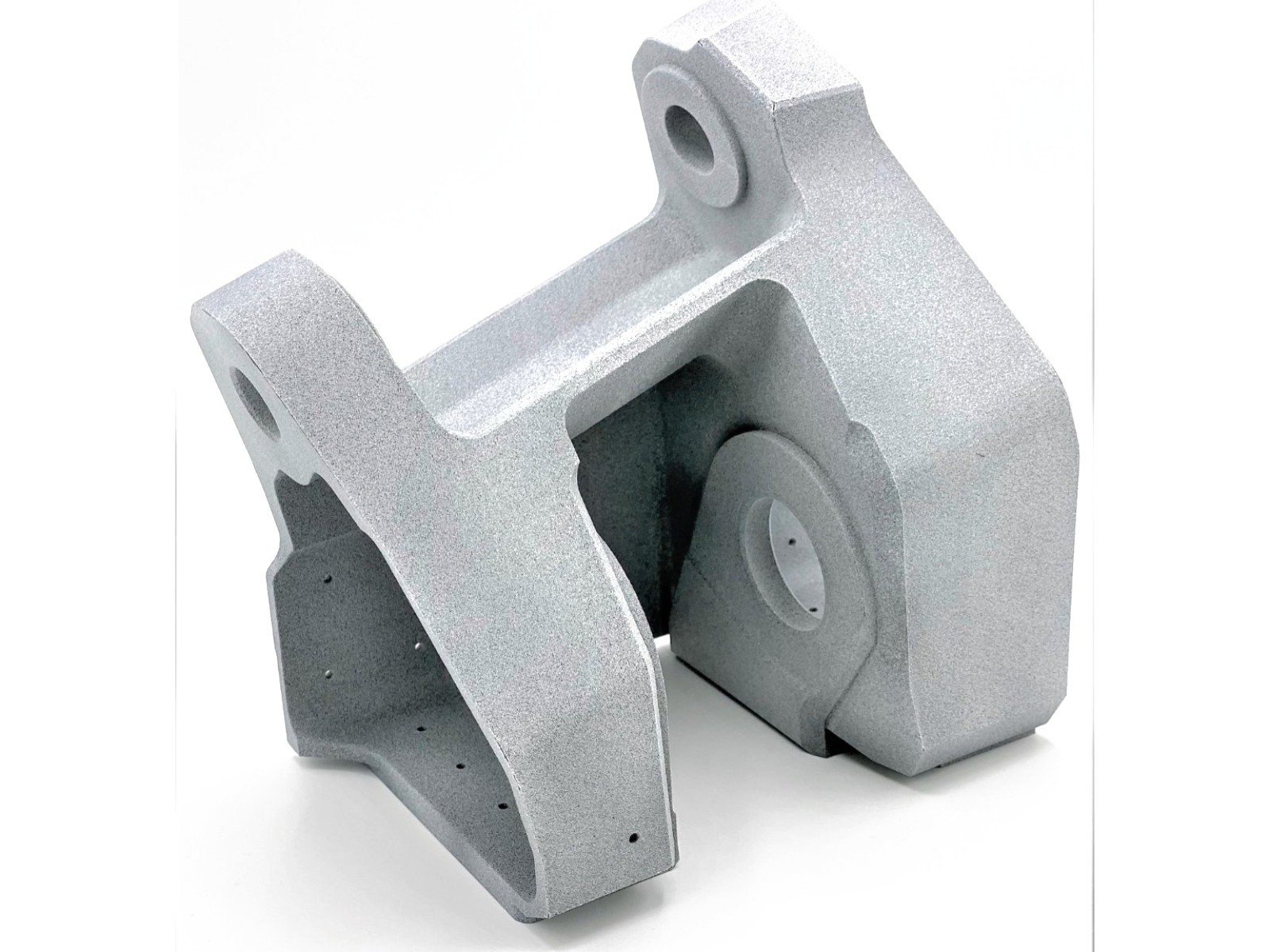
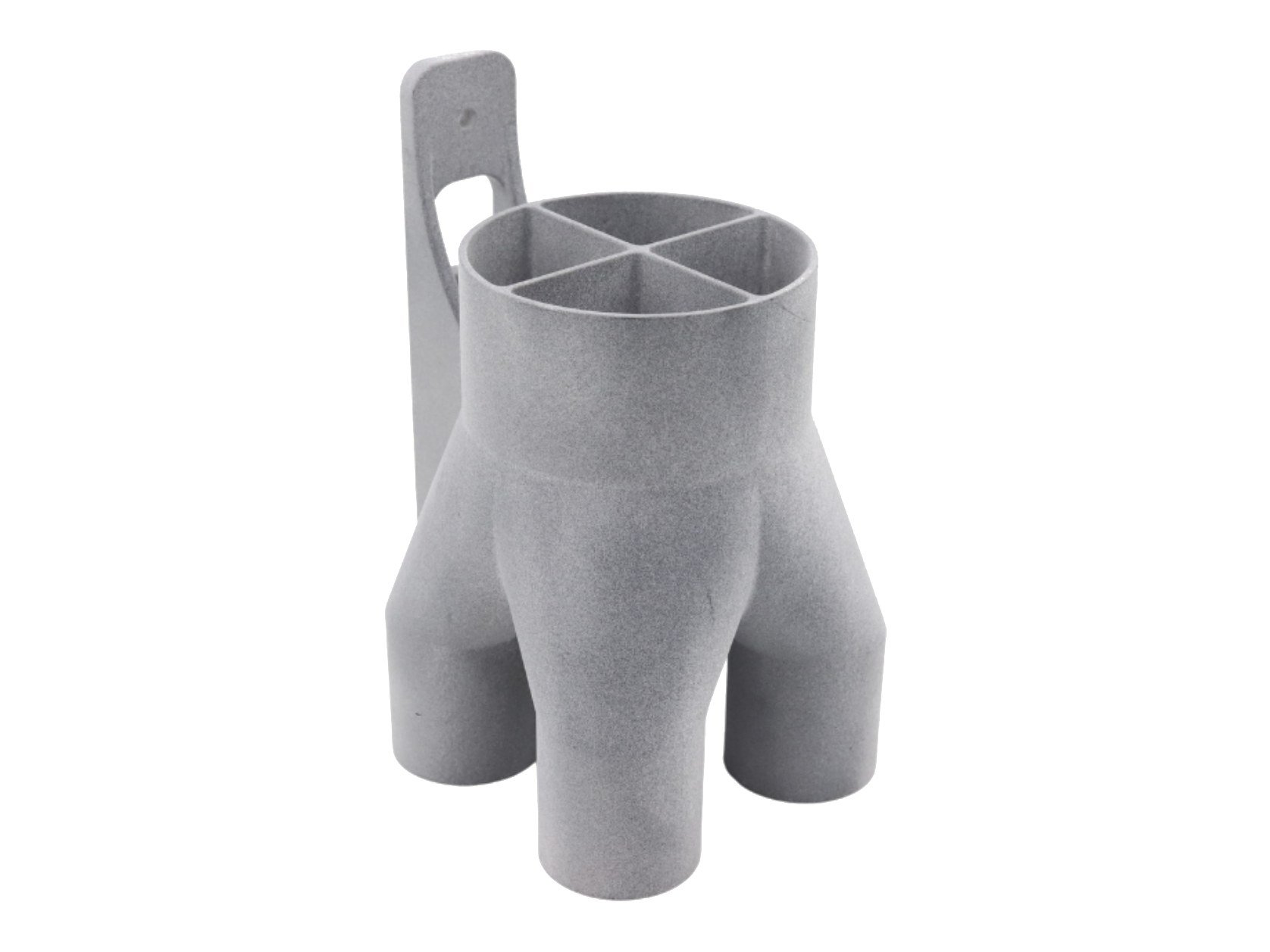
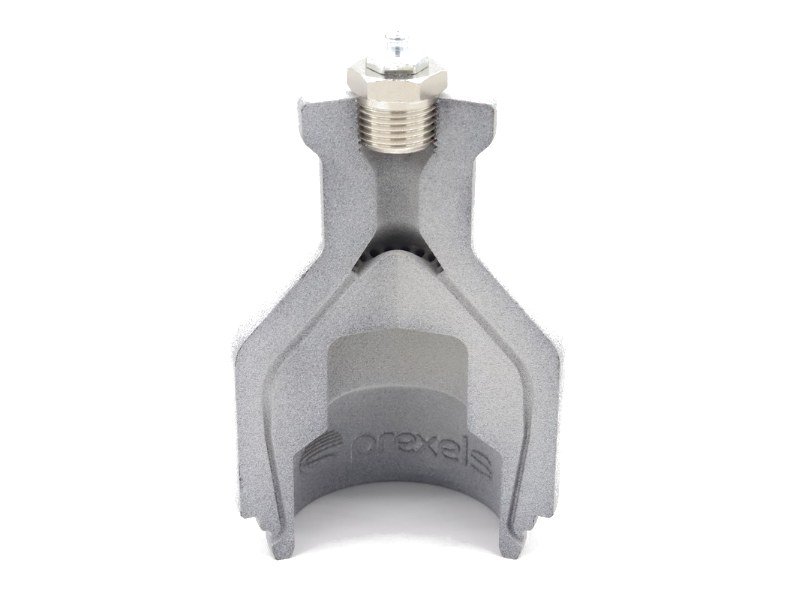
Production-grade functional parts in PA12: high strength, fine detail, economical from quantity 1 to small series. Our workhorse for load-bearing parts.
Large build volumes and engineering thermoplastics — for robust fixture components, gauges and prototypes with short lead times.
Highest surface quality and detail fidelity — for visible parts, fine geometries and precise-fit prototypes in product development.
· Applications
From one-off to series — always with function, installation and unit cost in mind.
· In-house post-processing
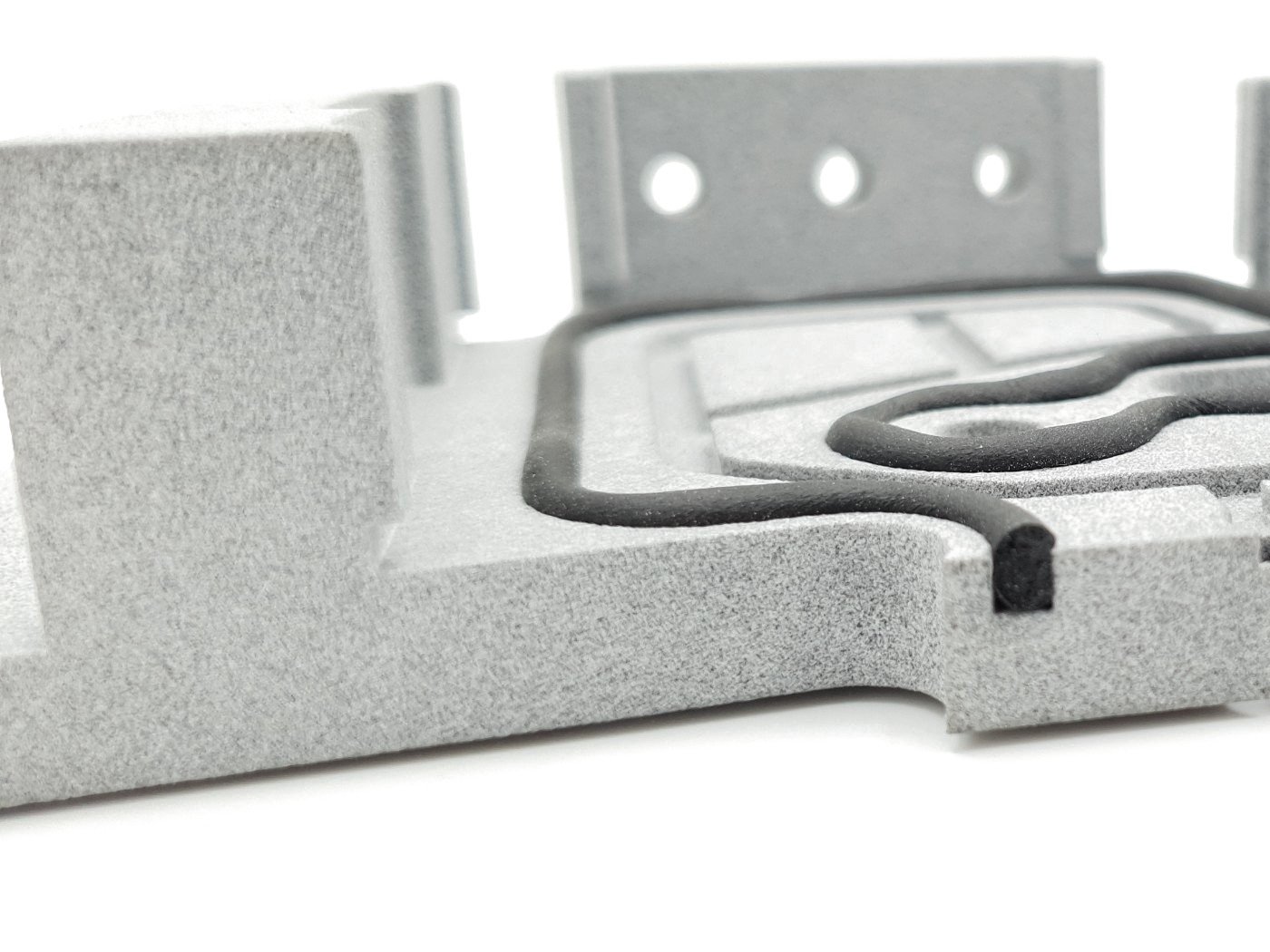
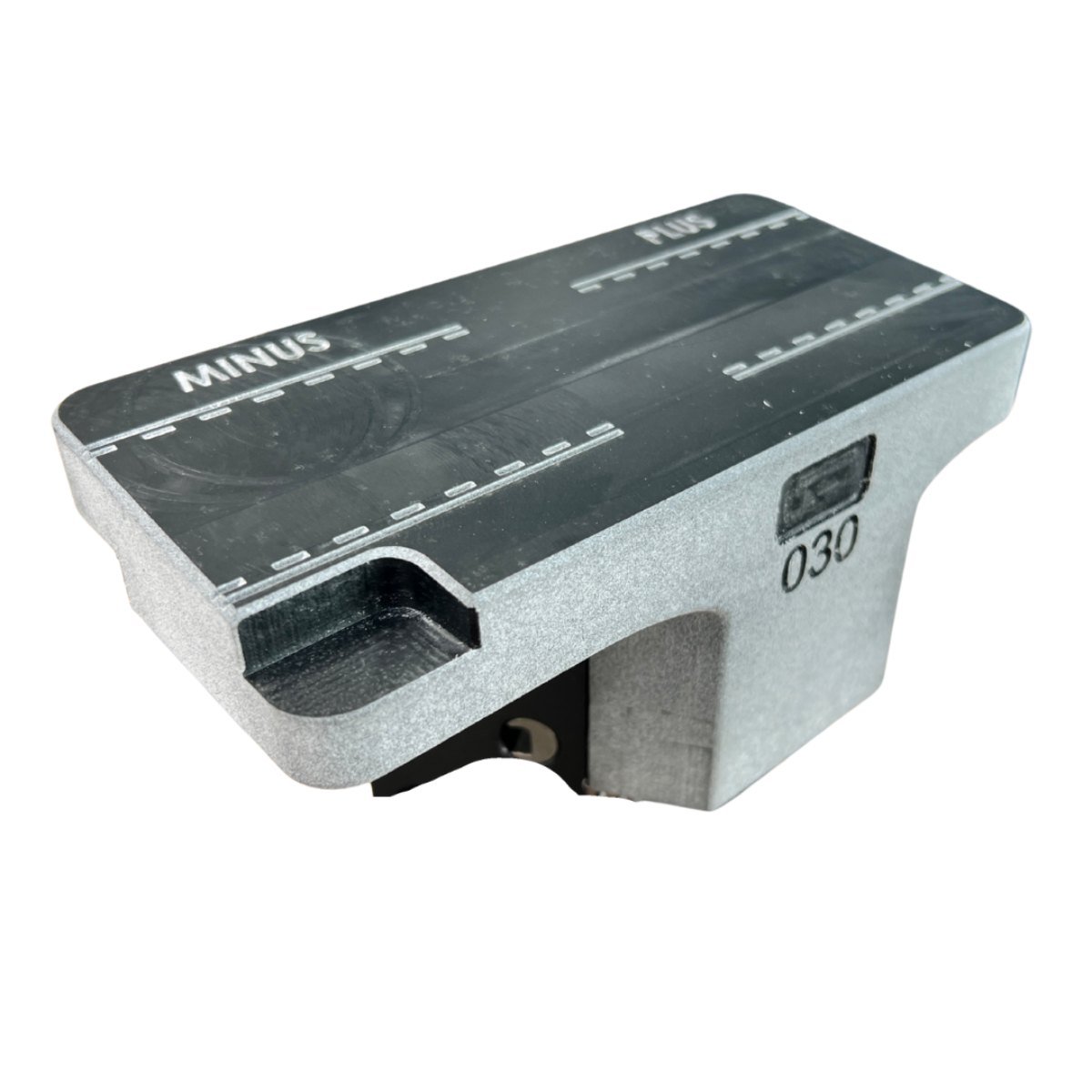
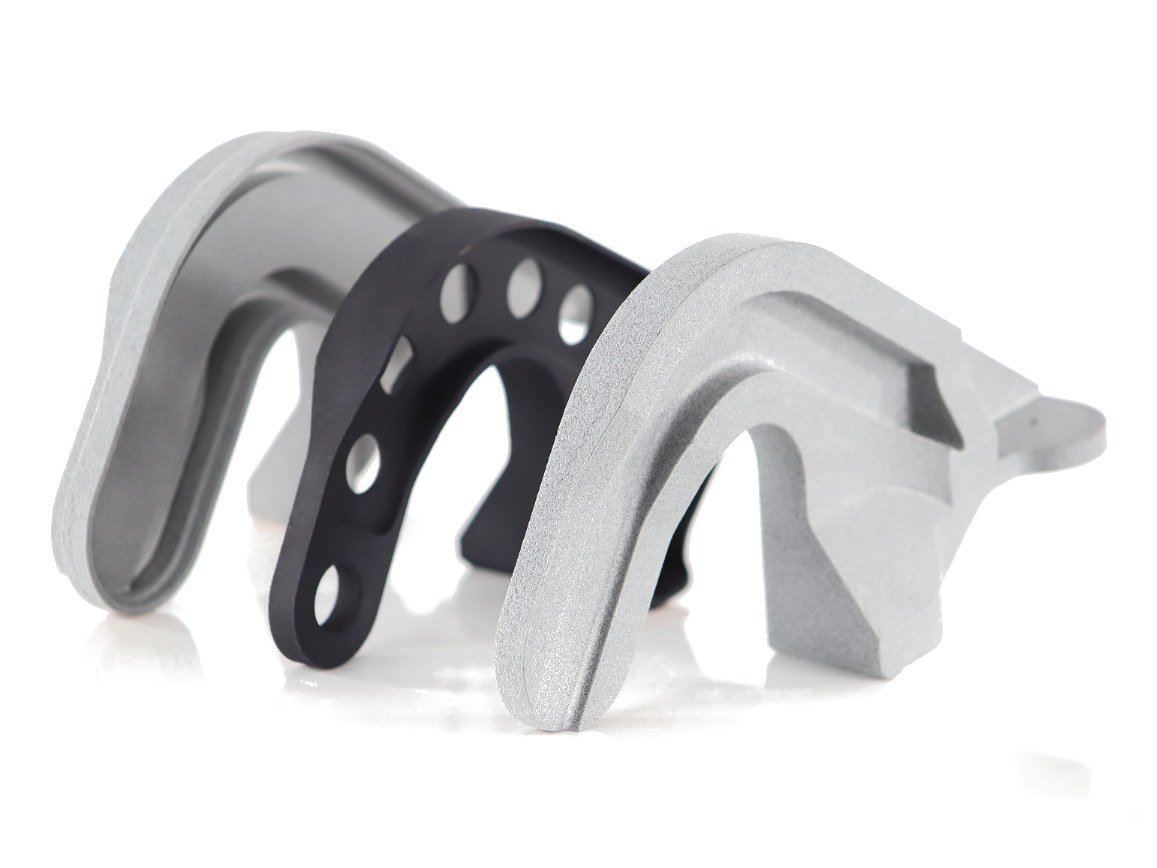
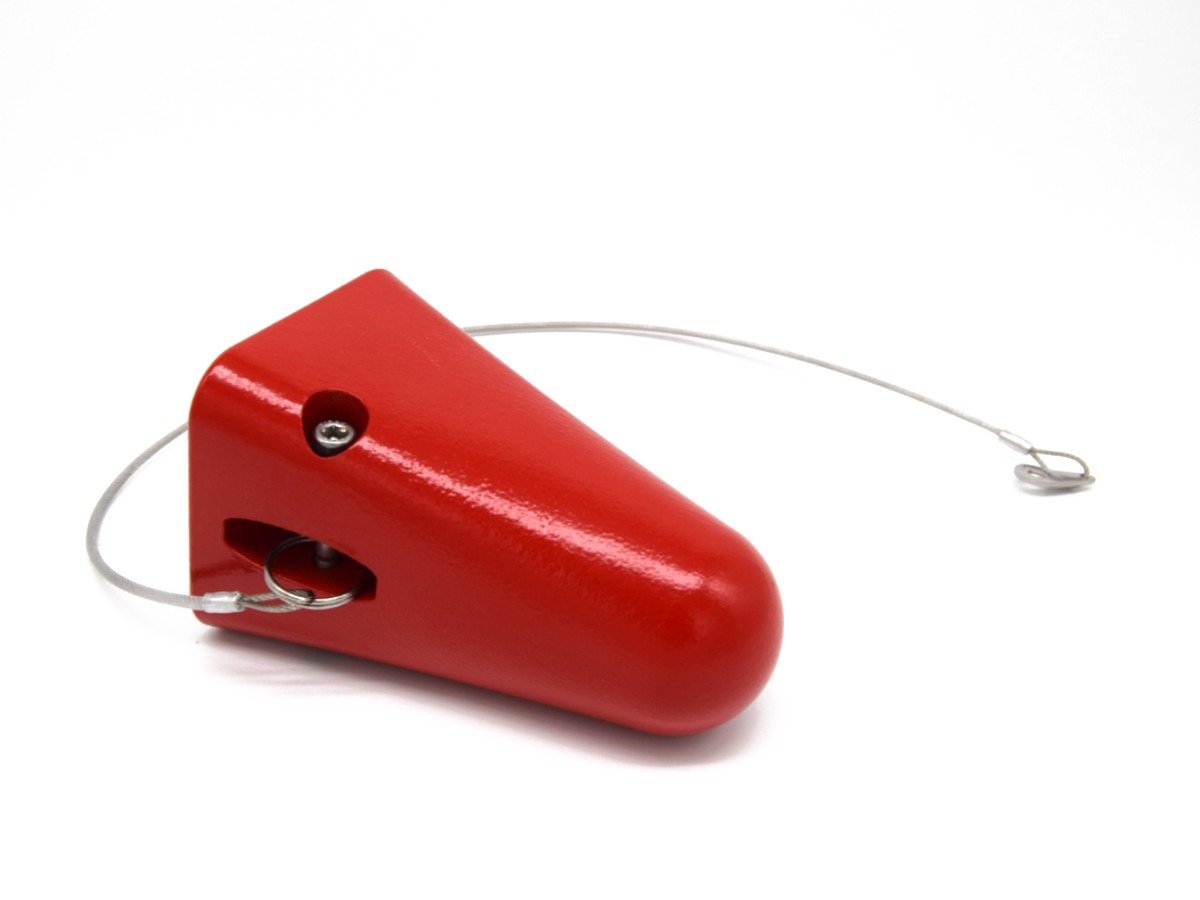
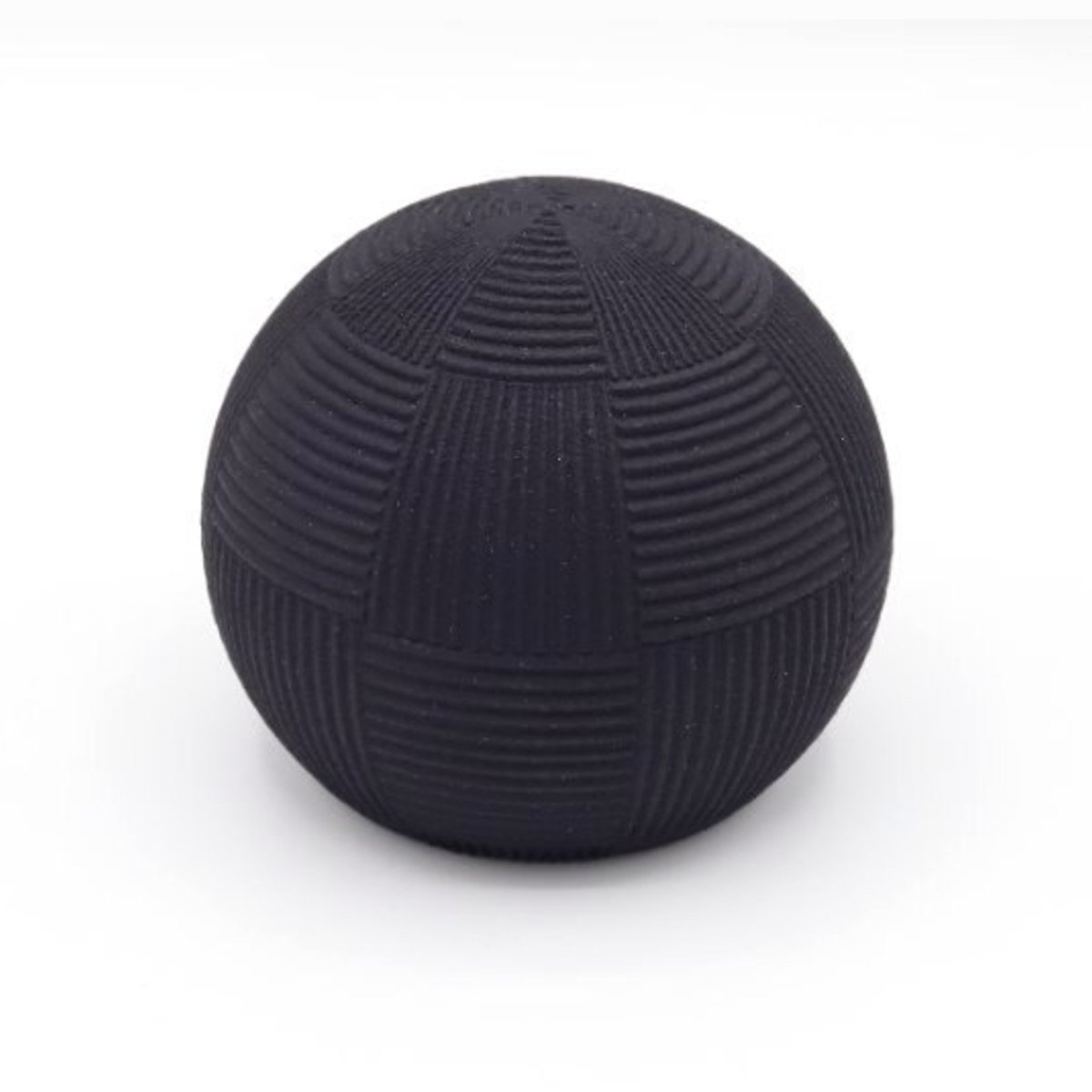
Complete post-processing of our 3D-printed parts in-house — printed, finished and ready to install from a single source.
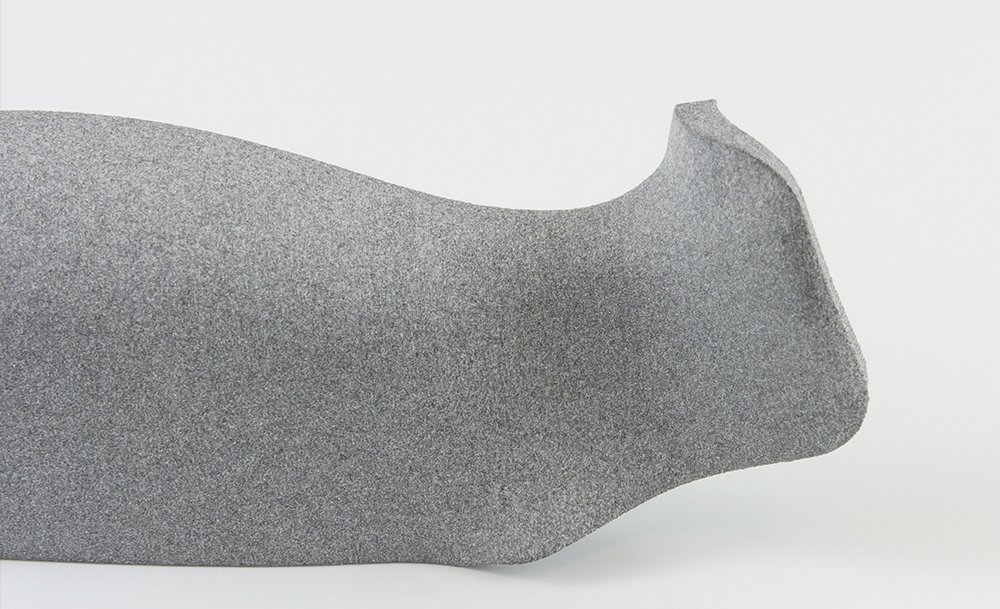
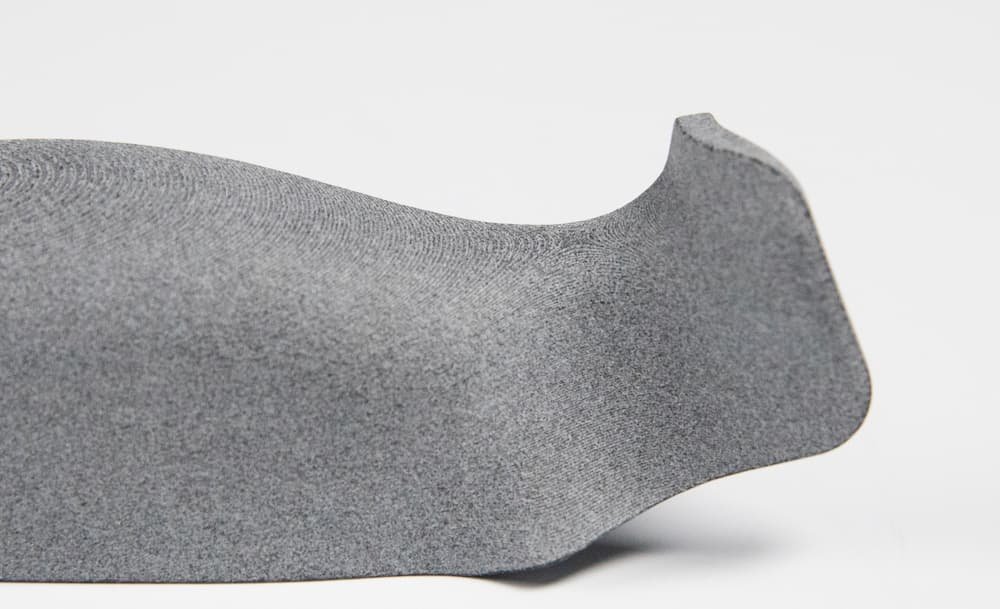
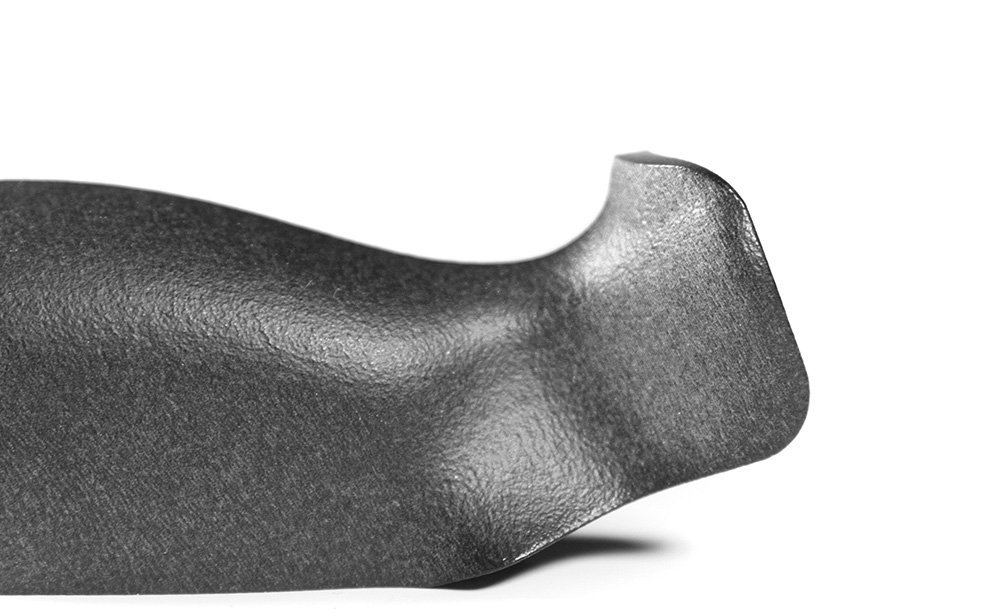
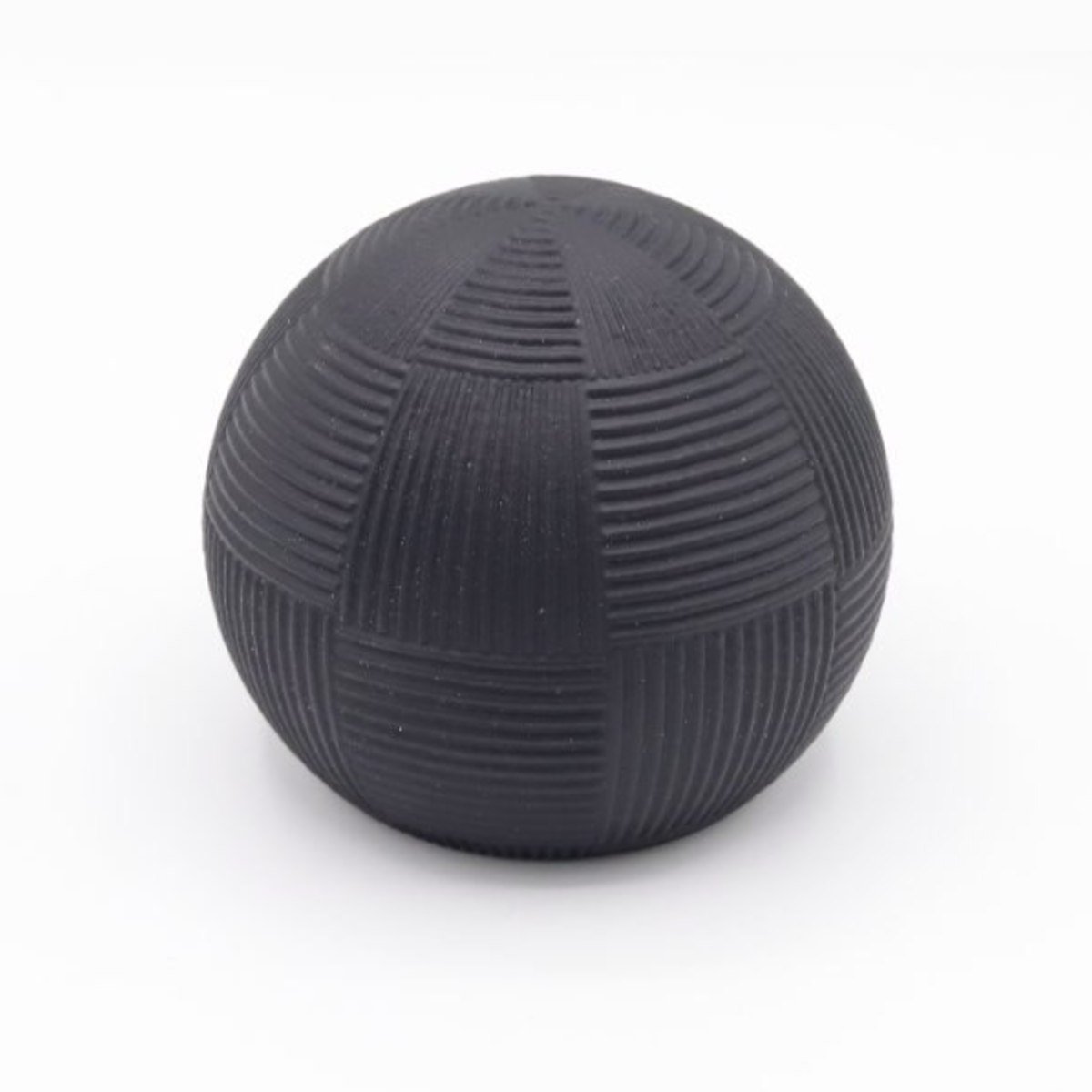
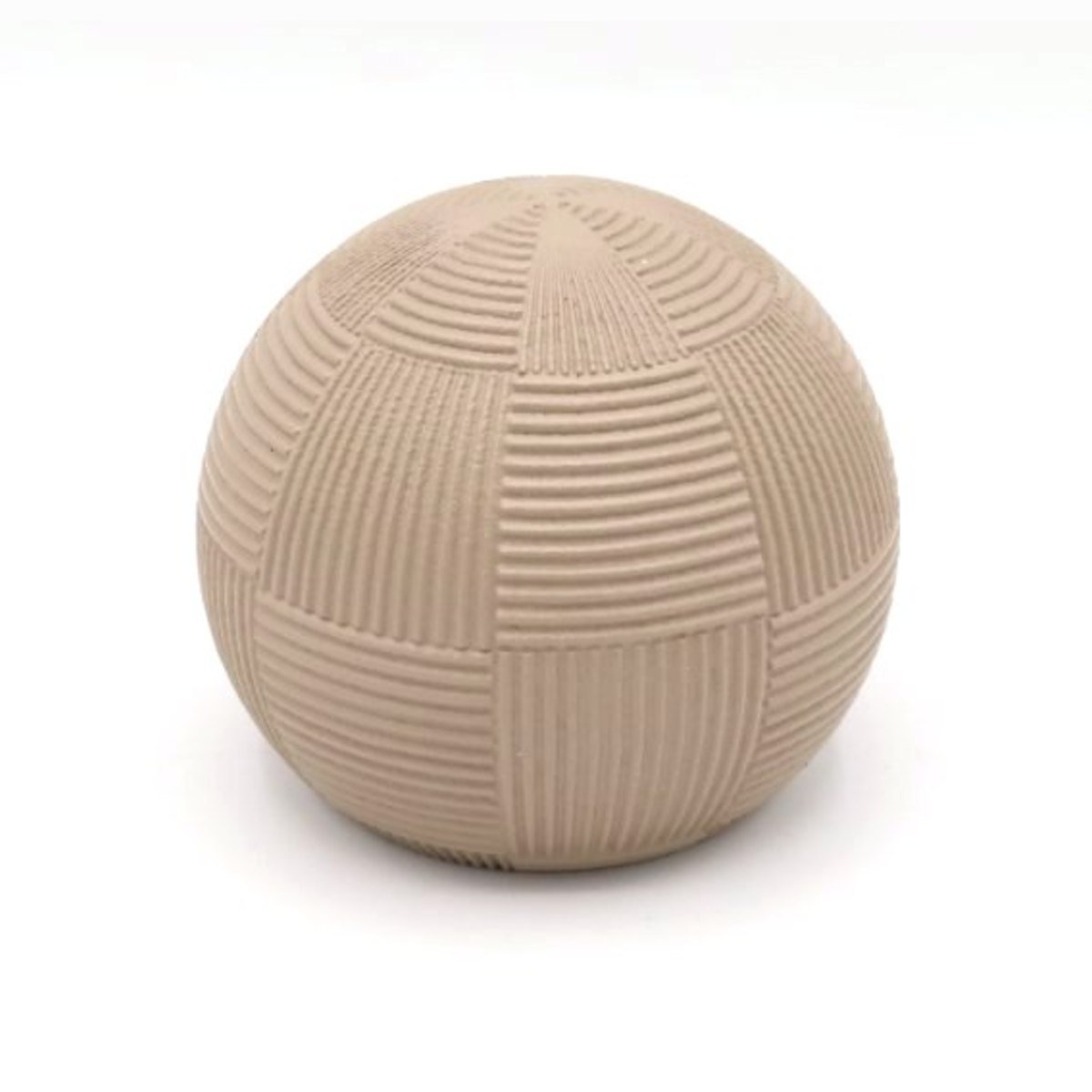
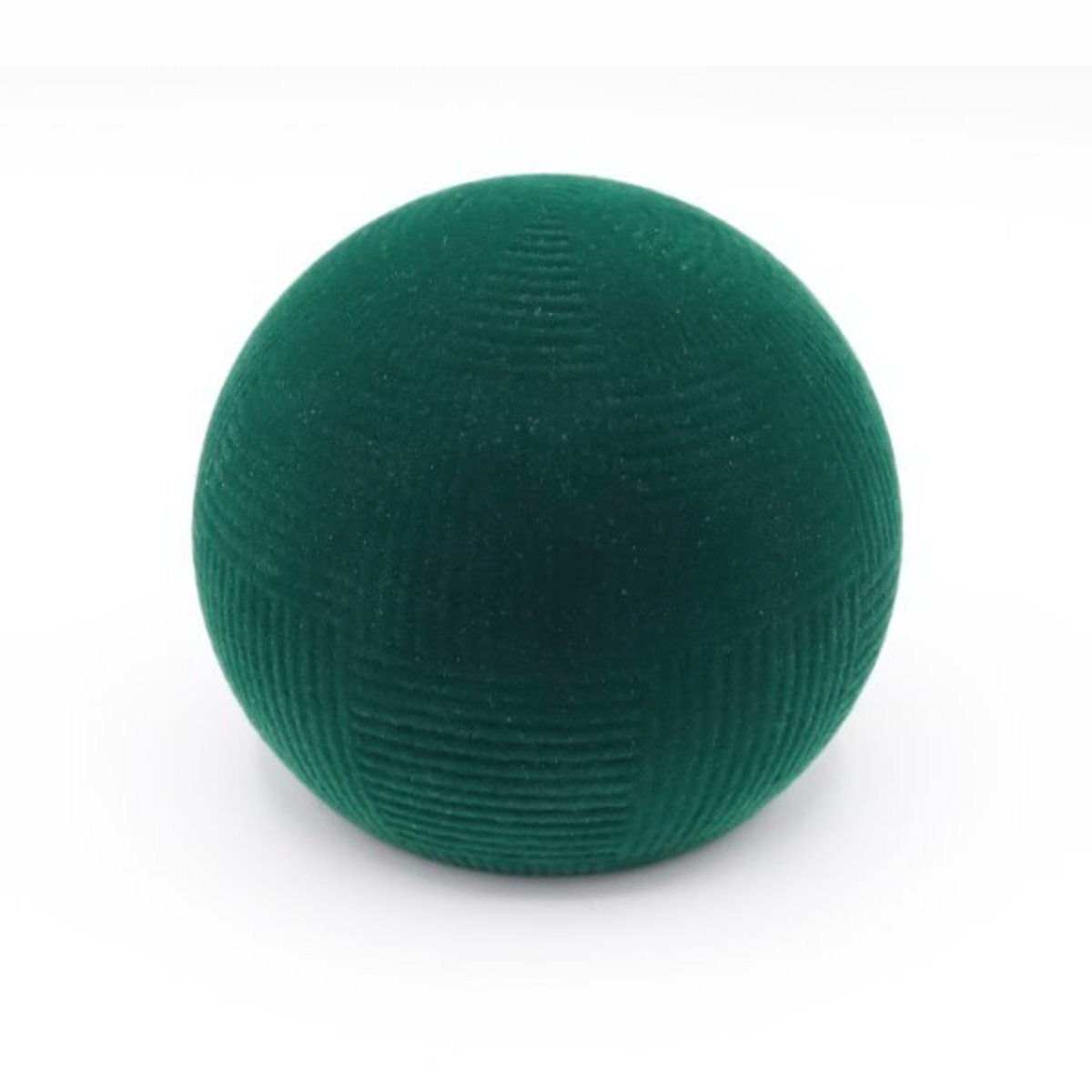
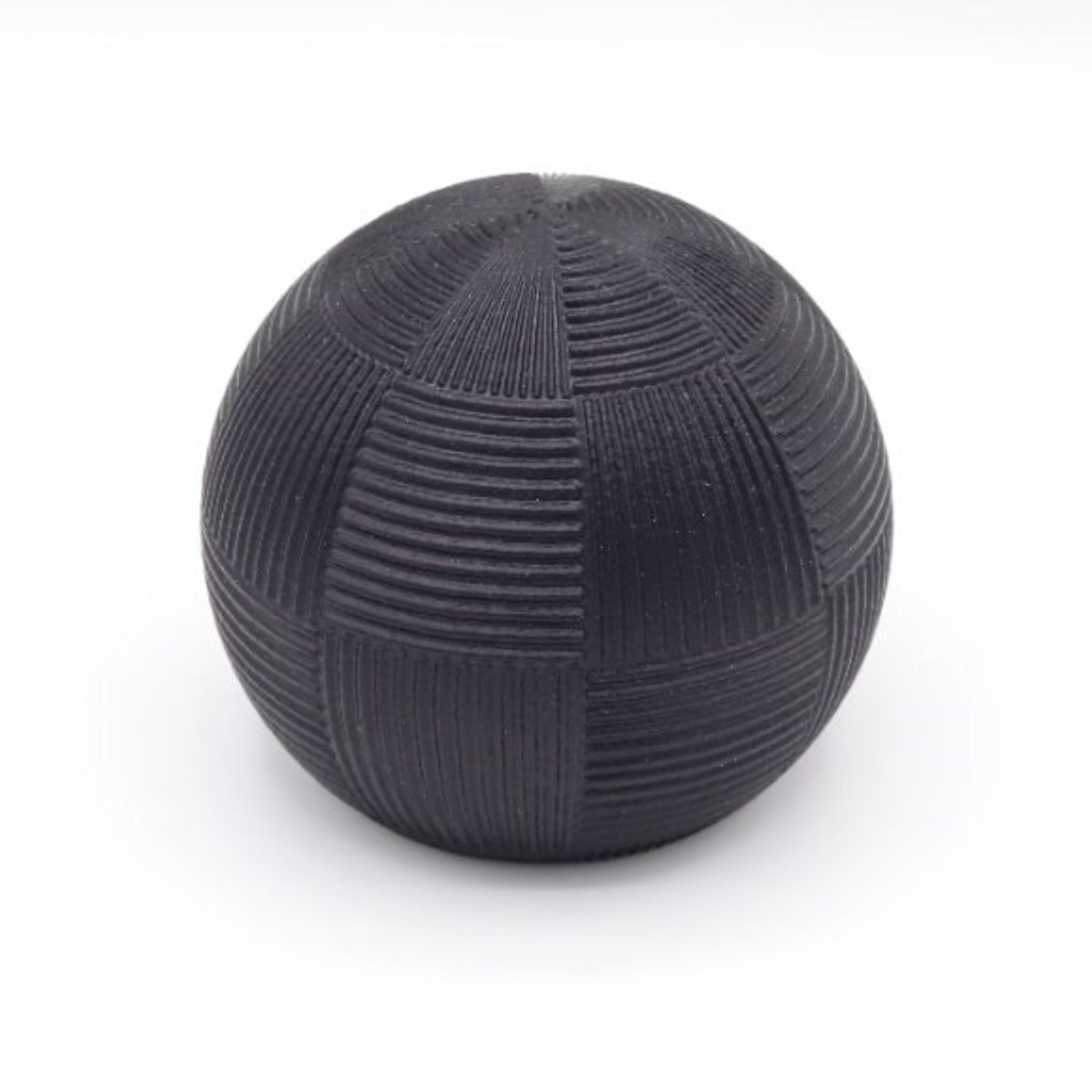
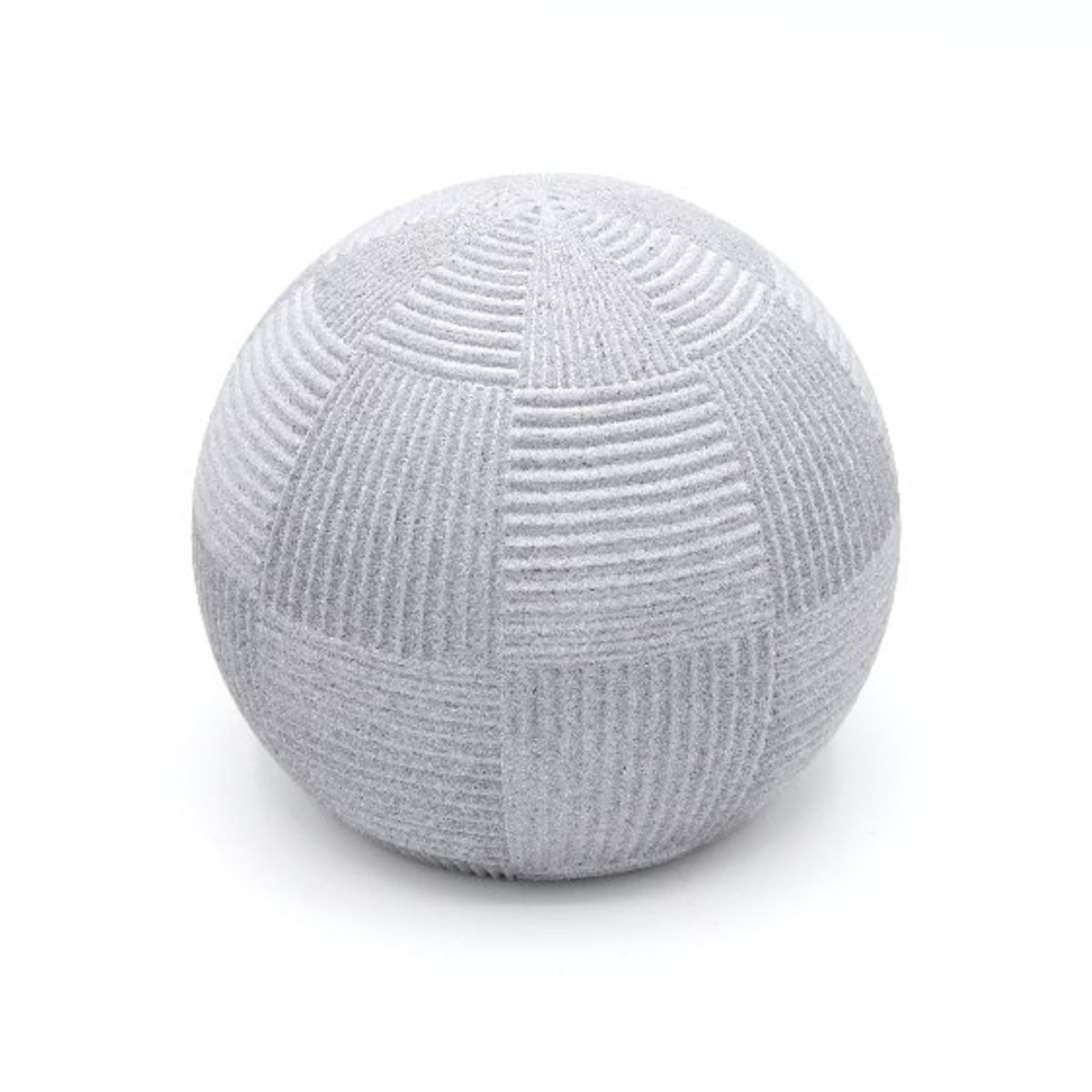
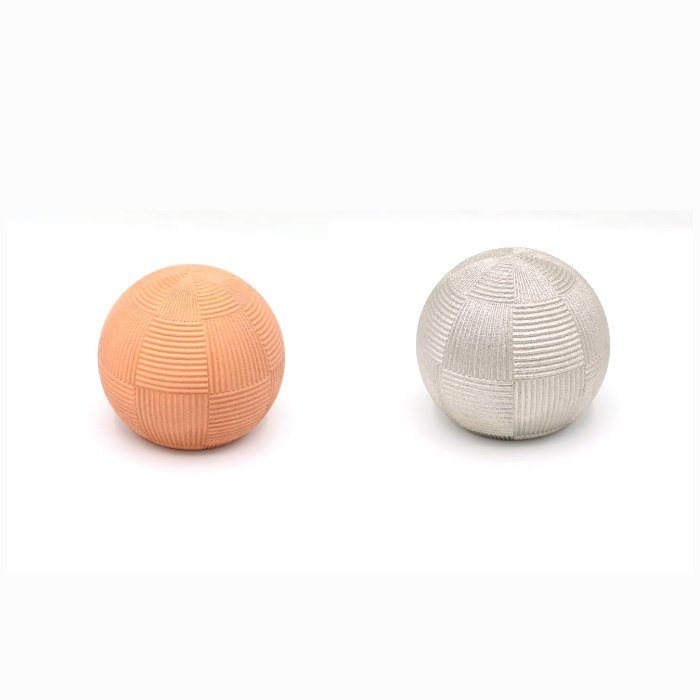
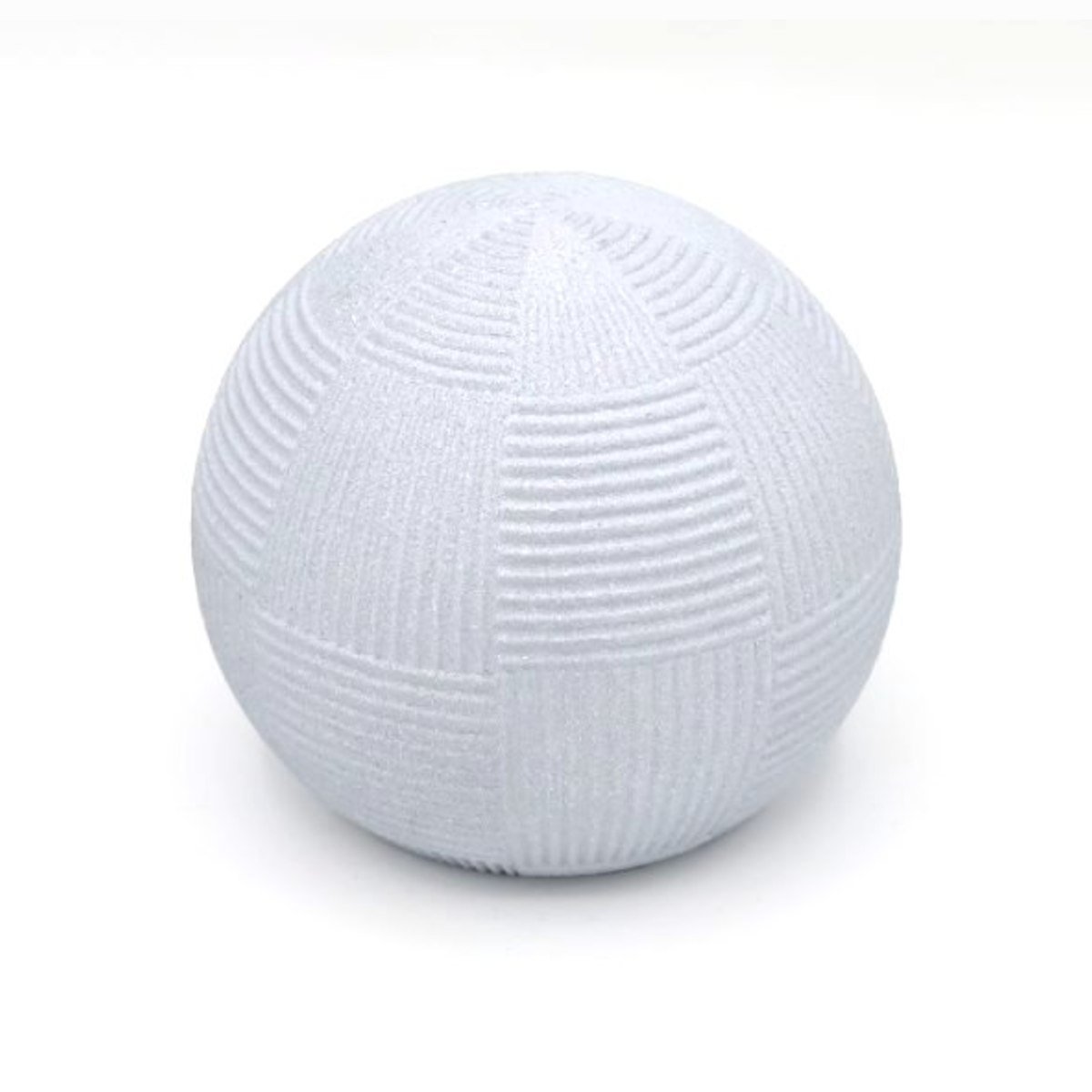
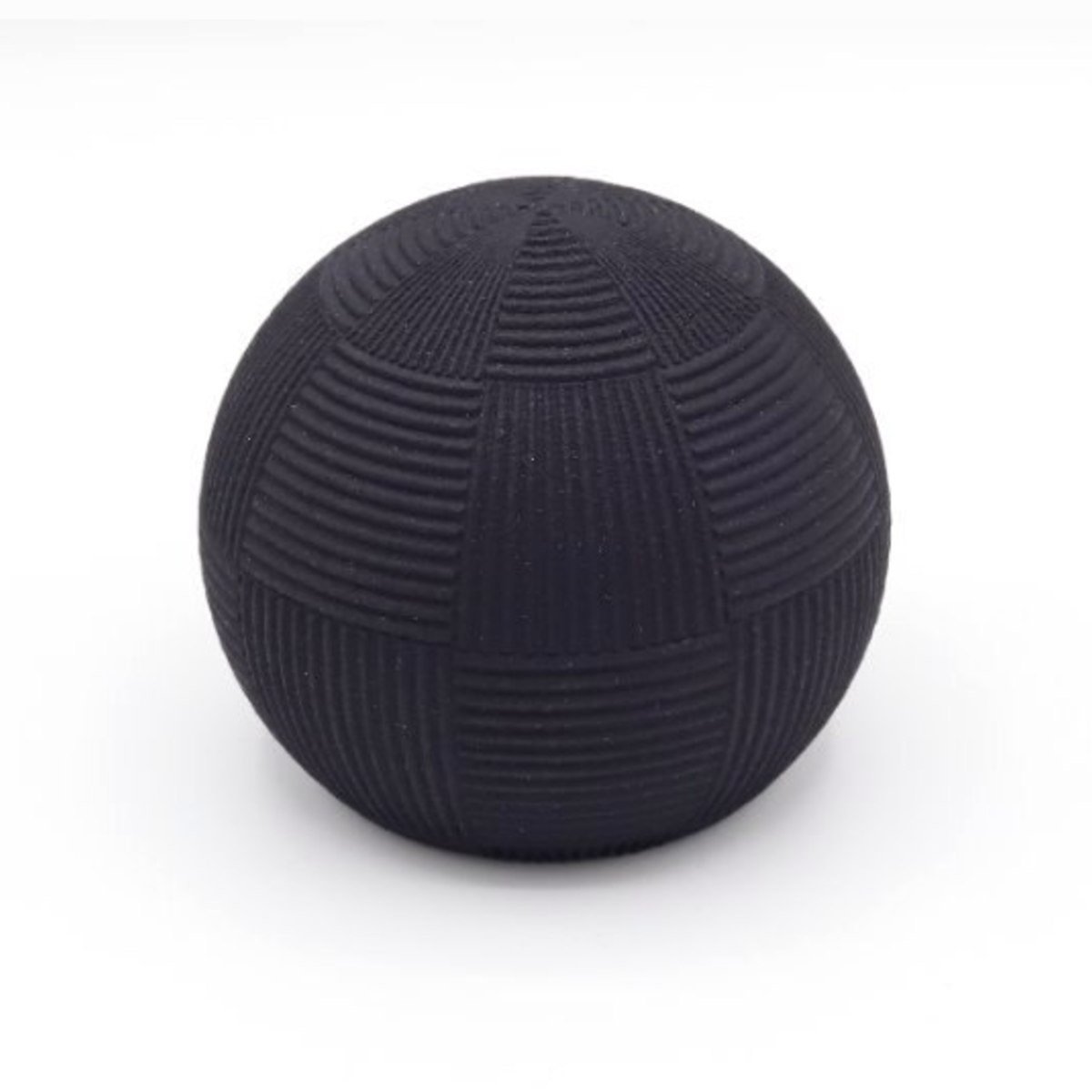
The same part — three stages of post-processing
· Frequently asked questions
Yes. Threads can be printed directly. For highly loaded or frequently loosened screw connections we alternatively fit metal threaded inserts — we choose the right solution for the requirement.
HP Multi Jet Fusion (PA12), FDM for large or technical parts, and SLA for fine, smooth surfaces. We recommend the process based on function, quantity and surface.
Prototypes usually within a few days. For post-processing such as dyeing, smoothing or painting, allow a few extra days depending on the process.
No. We offer post-processing for our own 3D prints — that way we guarantee material, process and result from a single source.
Yes. With HP MJF we produce reproducible series — such as housings, brackets or interior components — including post-processing and quality inspection.
With HP MJF typically ±0.3 % of nominal length, at least ±0.3 mm. On request we machine fits and functional surfaces — milling tolerances then apply.
The HP MJF build volume is approx. 380 × 284 × 380 mm. Larger parts are split in the design and joined, or produced by FDM.
A STEP or STL model is enough. For post-processing or tolerances, a drawing or a short note on the functional surfaces helps.
No. We produce from quantity 1 — from a single prototype to recurring series.
Complex geometries, undercuts and small quantities favour 3D printing. Simple shapes, tight tolerances or metal favour milling. Often the combination is best — we recommend the right process.
Send us a sketch, photo, STEP file or requirements specification — we recommend the process and post-processing and get back to you with a first solution approach.